

2. Biological agents (6 kinds): Spodoptera brassicae nuclear polyhedrosis virus, Bacillus thuringiensis, Metarhizium anisopliae, Beauveria bassiana, Bacillus brevis, Spodoptera frugivora sex attractant
Third, compound preparations (14 types): methylaminoavermectin benzoate? Indoxur, methylaminoavermectin benzoate-flubellurea, methylaminoavermectin benzoate-high-potency cyhalothrin, methylaminoavermectin benzoate-chlorfennitrile, methylaminoavermectin benzoate-chlorfenazide, methylaminoavermectin-carbamectin-carbazide, chlorantranilamide-cyhalothrin, pyrethurin-cyhalothrin, flubolura-indanprocarb, methylaminoavermectin benzoate-methoxyfenazide, chlorantranilamide-avermethanol, Methylaminoavermectin benzoate-bellicide, flufenamide-methylaminoavermectin benzoate, methichydrazide-indanoxurandurand.
This list of recommendations is valid until December 31, 2021.
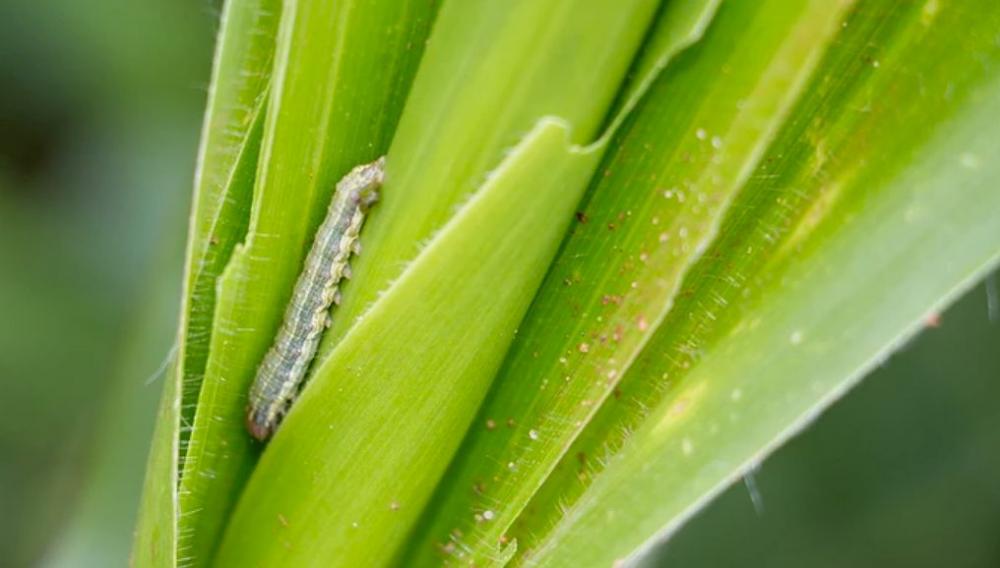
Let's focus on introducing BTA.
Bacillus thuringiensis (B.t.a.)
Source: produced in natural soil. It is an insecticide screened by serotype H-7, SA-2 strain.
Biological activity: It has stomach toxicity.
Scope of use: It is used to control lepidopteran pests on food crops, fruits and other trees, vegetables and cotton crops.
BTA has been developed due to better control of pests that have developed resistance to B.t.k.
