

Propyl Dihydrojasmonate (PDJ) is a highly bioactive derivative of jasmonic acid with broad-spectrum physiological effects. It has been widely used in many countries, promoting the synthesis of endogenous ABA (abscisic acid) in plants and improving their stress resistance; At the same time, it can also promote the generation of endogenous ethylene, promote chlorophyll degradation, thereby promoting fruit color change, shortening the ripening period, and ensuring the flavor of the fruit.
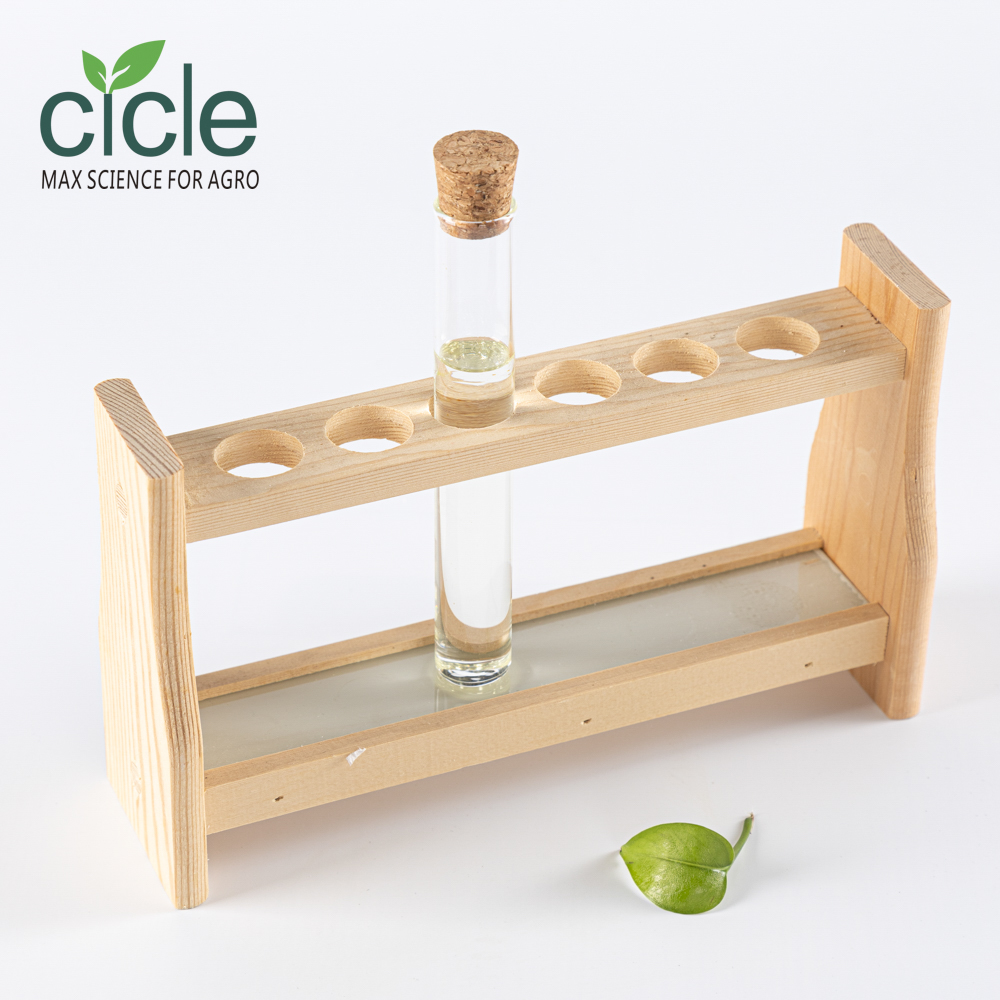
Specification
| TEST/PARAMETER | STANDARD VALUE | RESULTS |
| Appearance | Light yellow liquid (oil) | Complies |
| pH | 5.8-6.2 | 6 |
| Density(20℃) | 0.925-0.945 g/cm3 | 0.937 g/cm3 |
| Active Ingredient | Prohydrojasmon 5% | 5.1% |
| Solubility in water(20℃) | Soluble | Complies |
Advantages of propyl dihydrojasmonate(PDJ):
Compared with ethephon and abscisic acid, propyl dihydrojasmonate (PDJ)has also successfully circumvented the obvious shortcomings of these two hormones. It does not cause grape fruit cracking and post-picking rot like ethylene; it is also easier to use than abscisic acid and can be sprayed all over. Unlike the trees, which can only be sprayed or soaked in low concentrations with inducers, they can also be sprayed after bagging, which greatly saves labor costs.
