

5. Alginate Oligosaccharides
Alginate oligosaccharides are bioactive molecules derived from seaweed polysaccharides.
They function as:
· Plant growth signaling molecules
· Stress resistance enhancers
· Root development stimulators
6. Glycine Betaine (Anhydrous Betaine)
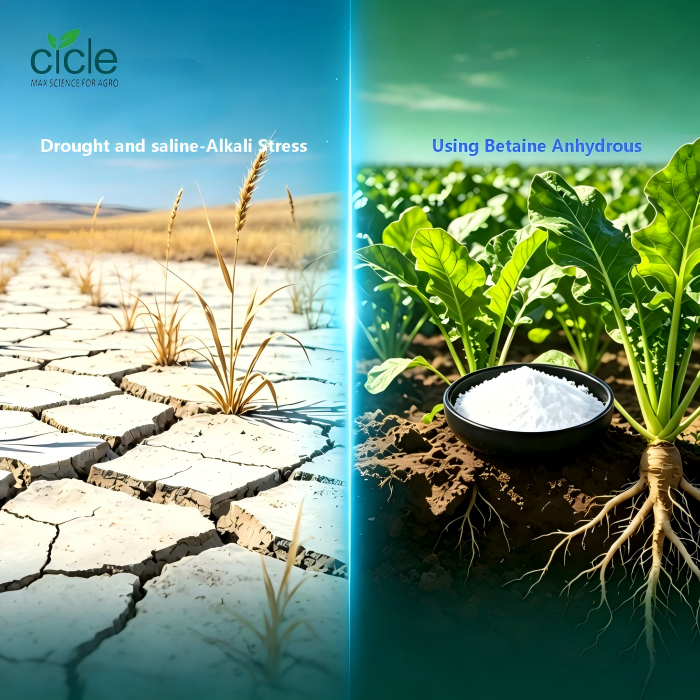
Glycine betaine is a powerful natural osmoprotectant.
It helps plants:
· Maintain cellular water balance
· Improve drought and salinity tolerance
· Stabilize proteins and enzymes
· Enhance stress recovery
7. GABA (Gamma-Aminobutyric Acid)
GABA is a functional signaling molecule in plants.
It plays a role in:
· Stress signaling regulation
· Oxidative stress reduction
· Metabolic balance improvement
· Stress adaptation mechanisms
8. γ-PGA (Gamma-Polyglutamic Acid)
γ-PGA is a natural biopolymer with strong water retention capacity.
It improves:
· Soil moisture retention
· Nutrient availability
· Root zone environment
· Drought resistance
How Plant Biostimulants Work
Plant biostimulants operate through multiple physiological mechanisms:
· Enhancing nutrient use efficiency
· Activating stress defense pathways
· Improving root architecture
· Supporting photosynthetic activity
· Regulating plant metabolic balance
They do not replace fertilizers but significantly improve their efficiency.
Benefits of Plant Biostimulants
The use of plant biostimulants in agriculture provides:
· Improved crop yield and quality
· Better tolerance to abiotic stress
· Enhanced root and shoot development
· Increased nutrient efficiency
· Stronger plant recovery after stress
· More sustainable crop production
Agricultural Applications
Plant biostimulants are widely used in:
Field crops
· Wheat
· Rice
· Corn
· Soybean
Horticultural crops
· Tomato
· Cucumber
· Pepper
· Strawberry
Fruit crops
· Grape
· Citrus
· Apple
Application methods
· Foliar spray
· Fertigation
· Seed treatment
· Soil application
Plant Biostimulants vs Fertilizers
| Category | Function | Mechanism |
| Fertilizers | Supply nutrients | Direct nutrient input |
| Biostimulants | Enhance plant processes | Physiological activation |
Plant biostimulants are not substitutes for fertilizers, but they significantly enhance nutrient efficiency and crop performance.
Conclusion
Plant biostimulants represent a key innovation in modern sustainable agriculture.
The main functional categories include:
· Amino acids
· Seaweed extracts
· Humic acids
· Chitosan
· Alginate oligosaccharides
· Glycine betaine
· GABA
· γ-PGA
Together, these products support plant growth, improve stress tolerance, and increase agricultural productivity under changing environmental conditions.
